
Why are ads alone not enough in Southeast Asian e-commerce? Using the Philippines as an example: three gates to clear before you spend

Published:
Ads alone are not enough in Southeast Asian e-commerce. Using the Philippines as an example: if food or cosmetics are not registered, even advertising them is prohibited; platforms must remove illegal goods after notice; and ad copy cannot make therapeutic claims. Even after clearing these three gates, people need to have used the product first, so the ads have something to amplify.
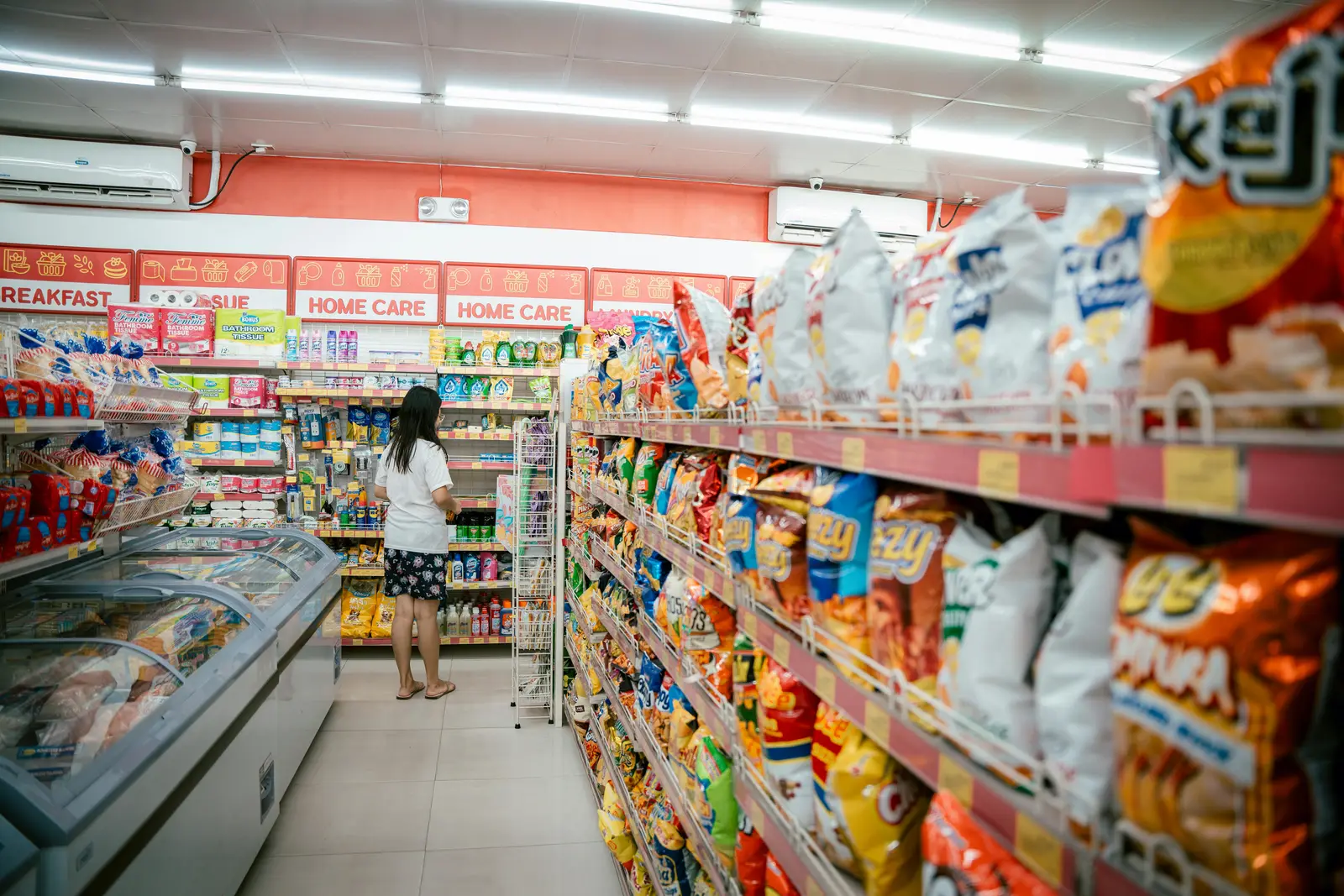
Short answer: Ads alone are not enough in Southeast Asian e-commerce. In the Philippines, an unregistered product cannot even be advertised; once registered, people still need to have used it first.
Scenario: the ad budget is spent, and the dashboard shows only clicks
This is a hypothetical scenario, not a story about a specific client.
Your company makes skincare and has run e-commerce in Taiwan for several years. After reading news about the growth of Southeast Asian e-commerce, the team decides to try the Philippines first: open a shop on a platform, list three products, set aside an ad budget, and run it for a month to see.
A month later, the dashboard shows clicks and add-to-carts, but orders are in the single digits. Some say the creative is wrong, others say the budget is too small and suggest spending more.
Before spending more, two questions need answers: can these three products be legally advertised in the Philippines? And do the people who see the ads have any reason to trust them? The first is regulation, the second is trust, and ads solve neither.
Gate 1: if the product is not registered, the ad itself is not allowed
The Philippine FDA Act (RA 9711) lists both food and cosmetics as “health products” and expressly prohibits selling, promoting or advertising any health product that requires registration but is not registered 1. The food rules are even more direct: all processed foods, including food supplements, must first be registered with the FDA before they can be sold or advertised 2. Cosmetics must be notified before they go on the market, by a company registered to do business locally 3.
In other words, the sequence “run ads first to test the response, and get the registration once people buy” is backwards in the Philippines. For which registrations you need and who can file them, see Philippine FDA LTO, CPR and CPN: what is the difference; for whose name the shop should be under, see which platform to open first in your first year of Philippine e-commerce.
Gate 2: platforms have a reason to remove listings
The Internet Transactions Act of 2023 (RA 11967) requires e-commerce platforms, as far as practicable, to collect a merchant's name, ID or business registration documents, address and contact details before listing 4. For goods that are prohibited or regulated by law, the Department of Trade and Industry can order a listing removed 4; a platform that fails to act quickly to remove illegal goods after notice is solidarily liable 4.
For a brand, this means the page your ads send traffic to could be removed because the registration is incomplete. Spending ad money on a page that may disappear is the most expensive kind of waste.
Gate 3: what the copy cannot say
Philippine rules state that food supplements must not carry curative or therapeutic claims, and advertising and promotional materials of food businesses must not make therapeutic claims without scientific data or clinical trials to support them 2. If a registered product changes its label design and uses it in advertising, the company must first notify the FDA and obtain permission 2.
Benefit wording common on Taiwanese e-commerce pages, translated straight into English for ads, may well cross this line. For which parts of the label to change, see the food and cosmetics label checklist.
After the three gates: ads are only one part
Once the registration, platform and copy are all cleared, do ads work? LUFÉ's Consignment page answers “why not just run ads” this way: “Honestly, our experience is that it is not enough. Filipino consumers look at influencers, at events, and at whether anyone has really used it; ads are only one part.”
Put the two approaches side by side:
| Comparison | Ads only | Let people use it first, then amplify |
|---|---|---|
| What you see in month one | Clicks, add-to-carts, a few orders | Who bought, who bought again, who asked what |
| When it does not sell | You cannot tell whether it is the product, price or creative | It is easier to find which link is the problem |
| Next step | Spend more or stop | Fix that link first, then decide whether to amplify |
Ads are an amplifier; before amplifying, you need to know what you are amplifying. For why running ads during a test is not recommended, see small-budget overseas market tests: avoid three mistakes first.
Five checks before running ads
- Is the registration in? Food has a CPR, cosmetics have a notification response, and the holder is a company able to do business locally 23.
- Is the merchant information on the listing complete? Name, registration documents, address, contact details 4.
- Does the copy make therapeutic claims? If so, change it, and notify the FDA of the changed label first 2.
- Has anyone used it? Reviews, repeat purchases, or trial sales figures from a physical channel: you need at least one.
- Only when the first four are all “yes,” talk about the ad budget.
When this article does not apply
- You do not sell food, cosmetics or other FDA-regulated products. Gates 1 and 3 do not apply, but you still need the merchant information for Gate 2.
- Your target market is not the Philippines. Other Southeast Asian countries have different registration systems and must be checked separately; cosmetics must also be notified separately in each ASEAN country 3.
- The product already sells locally and you only want more volume. That is exactly the job of ads; you have already cleared the three gates in this article.
- You are selling to the United States. See three things to do for US FDA food imports.
Frequently asked questions
How do you run ads? In the Philippines, confirm three things before running ads: the product is registered, the platform merchant information is complete, and the copy makes no therapeutic claims 124. Once all three are cleared, put the budget behind products that people have already bought and used.
Can I run ads to test the response before the registration comes through? No. The Philippines prohibits promoting or advertising health products that require registration but are not registered 1; processed foods must be registered before they can be sold or advertised 2.
How long does registration take? The FDA Citizen's Charter lists an official processing time of 23 working days for cosmetic notification 5, not counting time to prepare documents or supply missing ones. For what you can do while waiting, see three things to do while your product registration is pending.
One small next step
List the products you plan to advertise and tick each one against the five checks above. If one is stuck at Step 1, deal with the registration first (Consignment has a licensed importer file and hold it for you); if it is stuck at Step 4, do a Market Test first, NT$10,000–20,000, to confirm whether anyone buys. If you are not sure which step you are stuck at, send us a question on LINE.
This article is a summary of experience and practice, not legal advice. Last verified: 2026-10-25.
Frequently asked questions
Sources and verification (5 sources) · Last verified 2026-10-25
- [1] Republic Act No. 9711 (Food and Drug Administration Act of 2009)・Congress of the Philippines (full text on Lawphil)Health products include food, drugs, cosmetics and more; amended Section 11(a) prohibits the manufacture, importation, sale, promotion, advertising or sponsorship of adulterated, unregistered or misbranded health products; item (j) prohibits selling, promoting or advertising health products that require registration but are not registered.
- [2] DOH Administrative Order No. 2014-0029 (rules on licensing of food businesses and registration of processed food)・Philippine Department of Health (via FAOLEX)All processed foods, including food supplements, must be registered with the FDA before distribution, sale or advertising; label design changes used in advertising or promotion require prior notification and permission; food supplements must not carry curative or therapeutic claims; advertising and promotional materials must not make therapeutic claims without scientific data or clinical trials.
- [3] ASEAN Cosmetic Directive: Frequently Asked Questions on Cosmetic Product Notification・Philippine FDAQuestion 1: the company placing the product on the market must notify each ASEAN member state where it will be marketed; Question 7: only a company registered to do business locally can file a notification.
- [4] Republic Act No. 11967 (Internet Transactions Act of 2023)・Congress of the Philippines (full text on Lawphil)Section 21: e-marketplaces should, as far as practicable, require merchants to provide name, ID or registration documents, address and contact details before listing; Section 15: the Department of Trade and Industry can order removal of listings for goods prohibited or regulated by law; Section 27: a platform that fails to act quickly to remove illegal goods after notice is solidarily liable.
- [5] Citizen's Charter: Issuance of Cosmetic Product Notification・Philippine FDAOfficial processing time of 23 working days and 15 minutes.

Aaron Yu
LUFÉ founder · from Jumping Freight
The founder comes from Jumping Freight, backed by 43 years of international logistics experience. Freight forwarders get goods there; the story starts after arrival. This column is about what happens next.
Related reading
Where do health supplement exports to the Philippines get stuck? Food, supplements, and skincare that sell well in Taiwan, one by one
2026-10-24
What should a distribution agreement cover? A 12-clause checklist before signing with an overseas distributor (including trademark and product registration)
2026-10-22
Your Philippine product registration is still pending: which three things can you do in the meantime? Trademark, label, cost
2026-10-20
Put the method from the article,
to work for your product
Free 30-minute initial assessment. We reply within one business day.