
Small-step expansion

Being ready doesn't mean the market wants you. So we ask it first.

Why we started

At the logistics end, we have seen too many Taiwanese brands ship their goods out without building a business. The most common sequence goes like this: First, spend millions on marketing, find local influencers, and start selling. After a quarter, the market tells you: the price is too high, the flavor is wrong, and people do not understand what you are saying. Then go back and change the product. Results are flat, or you lose money. Those millions bought a lesson. What we want to do is lower that tuition from millions of NT dollars to NT$10,000–20,000— ask the market for you before you spend heavily. Then we do not just hand over a report and leave. We look at the answers with you, change what needs changing, and ask again. That is what we mean by running alongside you.

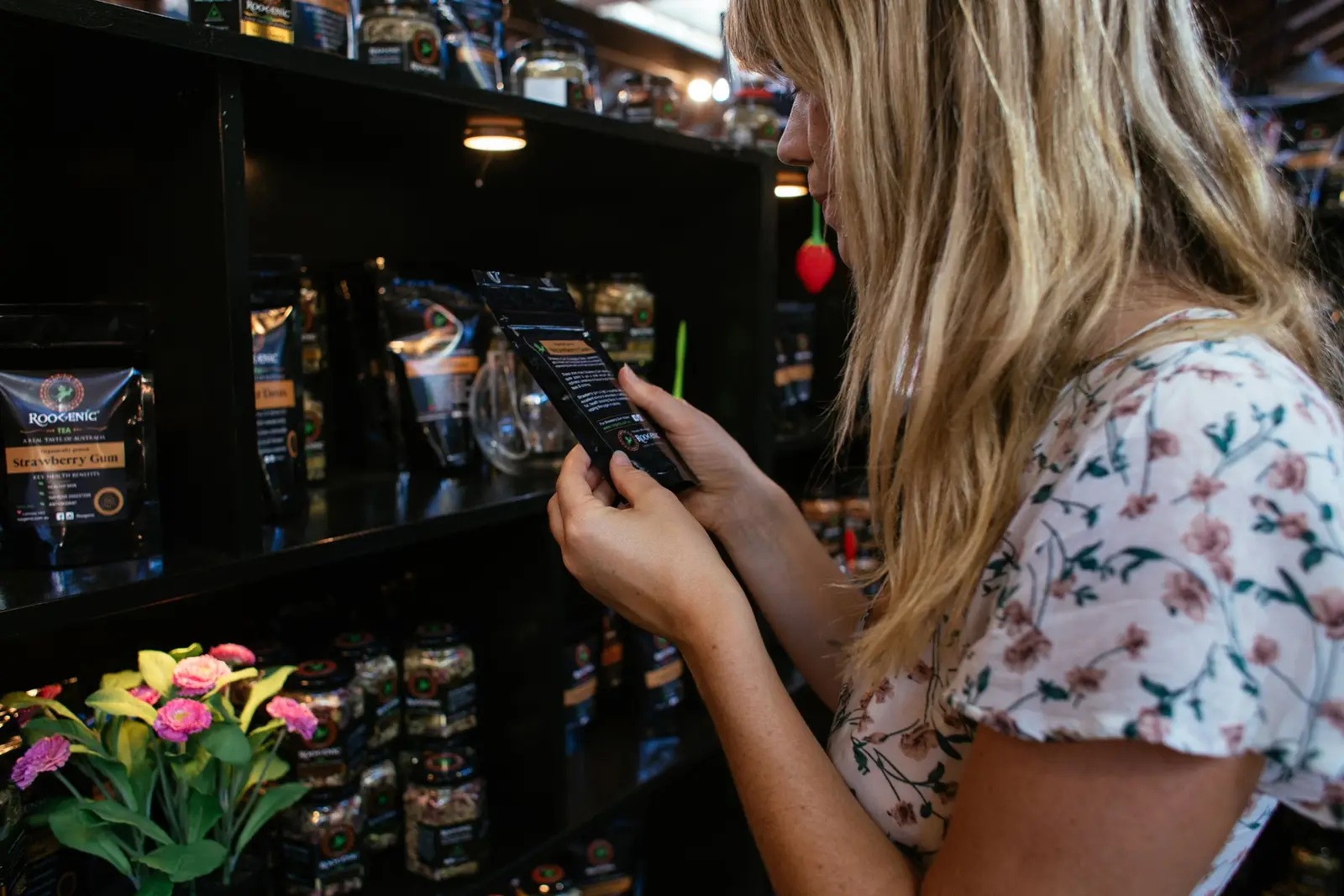
A woman reviewing product packaging in front of a shelf

How we ask the market

Two real research examples: how we ask, what we learn, and what the brand does next

A handmade Taiwanese peanut-candy gift box wants to go to the Philippines

One-on-one interviewsCompetitor comparison

Interview five local participants one on one: show the product card, have them try the product, and follow up question by question. At the same time, lay out ten local peanut-sweet competitors in one comparison: a long-established Baguio brand, supermarket staple snacks, Taiwanese imported nougat, and local premium gift boxes—price, messaging, positive and negative reviews, and channels.

Price

After conversion, it is more than twice the local price people expect

One participant compared it directly with a day’s wages

Shelf life

The shelf life is much longer than local mainstream products

The best-known local peanut brittle has a shelf life of about one month; in tropical humidity, that is a practical selling point

Flavor

One flavor produced divided reactions

Responses differed noticeably by age group and need a larger sample to confirm

Market gap

No competitor leads with vegan and clean-label credentials

Among ten competitors, this space is open

Redesign the price

Gift-giving is the only setting that can support the higher price

Vegan is a space no one occupies

Five interviews are not statistics; they are direction. The report states that this is a positioning hypothesis, not a validated position. Once the direction is right, spend more to expand the sample.

We do not answer for the market. We bring the market’s answers back and decide the next step with you.

Want to know what questions your product will face?

What you receive

In the first month, you receive one page: who would buy, what price they would pay, and why they would not buy. It is for making the next decision, not for filing away.

By the time you reach the Consignment chapter, there is a complete market study. The report we actually deliver looks like this:

  1. 0Research premise
  2. 1Competitor list
  3. 2Material collection
  4. 3Comparison table
  5. 4Point of differentiation
  6. 5Relative advantages
  7. 6Entry challenges
  8. 7Research conclusion

Every report states who the sample is, what comes from first-hand interviews, what comes from public data, and the confidence level. The final sentence of every report is the same— “This report is the factual basis for a decision, not the decision itself.”

The scorecard: five questions, scored twice

In the first conversation, we run your case roughly through five questions. These five questions have red lines; if we encounter one, we stop and discuss it clearly first.

Look at: Reachable market size, growth rate, what consumers are willing to pay, and the market’s stage

Red line: If the reachable market cannot support the revenue you need, we suggest changing the market or product category.

How to read the score

≥ 75GoEnter and follow the four chapters
60–74Conditional GoEnter, but resolve one or two weaknesses first
45–59HoldWe suggest waiting 6–12 months for a key change
< 45No-GoWe do not recommend it. We state clearly what changed conditions would make it worth reviewing again

Score it twice

The first score is a paper score. It uses public data, the costs you provide, and our local experience. It tells you whether you should try. The second score is the real score. After a Market Test, the Market and Competition questions are scored again using participants’ actual responses. It tells you whether you should invest more. Take the peanut-candy case: in the competitor comparison, the closest rival was Taiwanese imported nougat; only after talking with five participants did we learn that the real barrier was the price they carried in their minds. Most assessments stop at the first score. We put the second score into the process. No matter how good it looks on paper, that is not the same as someone asking, “Where can I buy it?”

Our rules

When we encounter any red line, we say so first, then discuss whether to continue. Sometimes we will suggest waiting. That is also an answer, and it is free. If you want to sell first and ask questions later, we may not be the right partner.

What running alongside you means

Handing over the report is not the end. After Market Test, we look at that page with you: which sentence needs changing, which price band needs rethinking, and which flavor should not go over yet. Then we ask again. After Consignment, we review the numbers every month: what sold, what did not, and why. After Company Setup, once people are in place and the process runs smoothly, you do not need to keep flying over. Every case’s real score returns to the same scorecard; the more we do, the more accurate it becomes. You can stop after every chapter. But as long as you keep going, we are here.

Whose shoulders this method stands on

We did not invent these ideas.

“Understand a little more, invest a little more” comes from the most cited model in internationalization research¹: Companies move overseas gradually: export first, then find an agent, then establish a presence. Investment follows understanding.

“Ask the market first with the smallest amount of money” comes from the lean-startup approach²: Exchange the lowest cost for real learning, then decide whether to invest more.

“Every chapter has a gate” comes from stage-gate management in new-product development³: Pass this gate before making the next investment.

What we do is compress these three ideas into a version a Taiwanese small or medium-sized brand can afford and complete in one three-month cycle.

¹ Uppsala internationalization model (Johanson & Vahlne, 1977) ² Lean Startup (Ries, 2011) ³ Stage-Gate (Cooper)

Boundaries

This method currently does one thing: help consumer brands enter the Philippines. Industrial equipment, large B2B manufacturing, and building factories are outside its scope. North America Retail is a separate track, carried out by the North America team. Call Center is not among the five questions—it is not a question of whether to go, but of what happens after you go. First-hand interview samples are small and concentrated in particular groups. We state that in every report because it determines how much weight you should give the answer.

Free 30-minute initial assessment

In 30 minutes, we run your product roughly through five questions at no charge. Afterward, you will know where you are, whether you should try, and which chapter to start with.

After you click: 1. Leave your name, contact details, and one sentence about your product. We reply within one business day to arrange a time. 2. For 30 minutes, we ask and you answer; this is not a presentation. 3. You do not need to decide on the spot, and we will not keep chasing you.