FoodUnited States

A Taiwanese fish-floss brand wants to enter the United States. What is the first hurdle?

It first looked like a marketing problem. The review showed that regulations and ingredients came first. We clarify FDA rules and ingredient adjustments before deciding how to introduce and package the product in the United States.

FDA

Confirm the regulator, seafood HACCP, and import requirements

Formula

Review every ingredient for meat inputs, allergens, and color adjustments

Packaging

Replan packaging under U.S. labeling format

Fish floss familiar in Taiwan is an unfamiliar food in the United States

This Taiwanese fish-floss brand has a stable customer base at home and wanted to bring fish floss into the U.S. market. Its original plan was direct: find channels, market it, and list it.

For U.S. consumers, fish floss is an unfamiliar product: they do not know what it is, how to eat it, or what it goes with. An earlier question surfaced: can this product be legally imported?


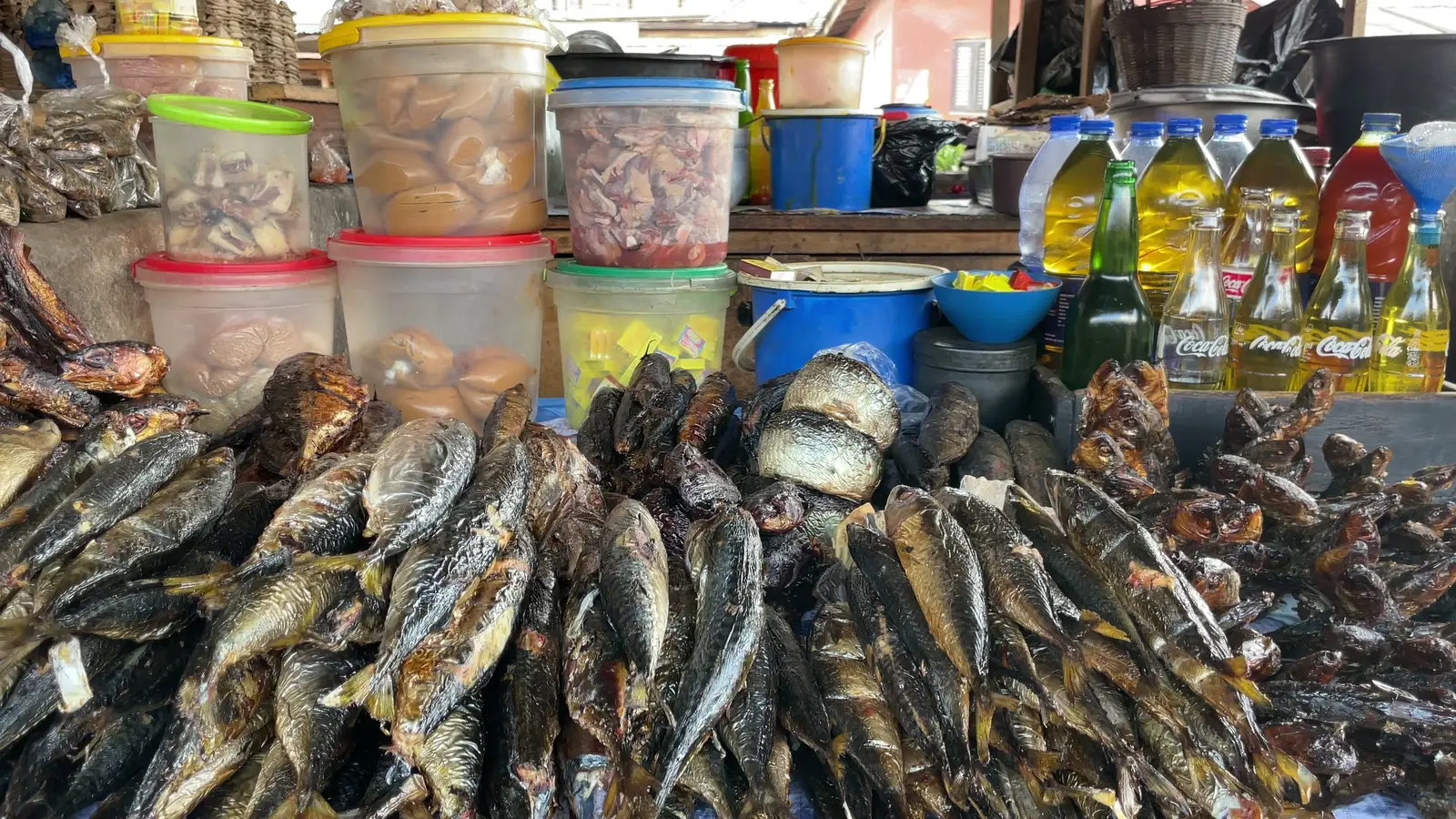
Dried fish and shrimp at a market stall

The research showed that regulations are the first hurdle

We started with a regulatory review. In the United States, fish floss made only from fish is regulated by the FDA as a seafood product: overseas processors must meet seafood HACCP requirements, importers must verify this, facilities must complete food-facility registration, and every shipment needs prior notice. Whether dried fish floss must follow low-acid canned-food procedures depends on measured water activity, not guesswork.

Problems in common Taiwanese fish-floss formulas often sit in the ingredient list. If a formula includes enough meat floss, it comes under the U.S. Department of Agriculture, while eligibility for Taiwanese meat products is tightly restricted; pork-derived ingredients such as lard also face animal-disease import restrictions.

Soy sauce brings soy and wheat, batter brings wheat, and sesame brings sesame—each is a major allergen that U.S. rules require to be labeled. Fish is one too, and the species must be named. Colors and preservatives must be allowed in the United States. We lay out the ingredient list and check each item to separate formula changes from label changes.

U.S. consumers should decide how the product is introduced

Once the regulatory path is clear, the next question is whether U.S. consumers know what this product is and how to eat it.

The name is the first hurdle. “Fish Floss” is unfamiliar to most U.S. consumers, while “flakes” can suggest fish food. A more useful reference is a savory topping they already know: fish floss can go on rice, eggs, and salad, rather than being only a traditional food for porridge. The clearest name and explanation must be tried with real U.S. consumers, not guessed in Taiwan.

That puts two routes on the table: Asian supermarkets, where buyers already know fish floss and price competes with established imports; or mainstream channels, where the product needs a new name and eating instructions but has no direct competitor. Our job is to help the brand choose with evidence, not choose for it.

Replan packaging around how people read in the United States

U.S. food labels have a fixed format: the name must make clear what the product is and identify the fish species; net weight uses both metric and U.S. units; serving size follows U.S. rules; ingredients are ordered by amount; allergens are clearly listed; and country of origin is shown.

Packaging also needs to fit different use and climate. A small, resealable pack makes more sense than a large Taiwanese jar for a product people are trying for the first time and that is sensitive to moisture. An English product name with a descriptive explanation—such as shredded fish with the species named—plus one sentence on how to eat it lets people understand it at first glance.

Unprinted food-packaging bags

Prepare the route before discussing launch

The first deliverable was not a listing number but a clear U.S. entry path: ingredients to change, items that only need relabeling, documents to prepare, packaging changes, and product wording—organized enough to discuss directly with importers and channels.

For food brands entering the United States, doing this work first keeps later steps from being repeated. The brand is now using this route to talk with mainstream U.S. channels.

If the review shows that the formula would need major changes to enter, we say so. Sometimes we suggest waiting; that is also an answer.

This case hasfour steps

1

Regulatory review

Confirm the regulator, seafood HACCP, facility registration, prior notice, and water activity

2

Ingredient review

Check meat inputs, lard, allergens, colors, and preservatives one by one

3

Consumer testing

Use blind tastings and naming tests to see how U.S. consumers understand and eat it

4

Packaging plan

Plan the name, nutrition facts, allergens, and small packs under U.S. labeling format

Your product may be stuck atthe same hurdle

Free 30-minute initial assessment. We reply within one business day.